
Asphalt Repair Experts
What Is Asphalt Repair?
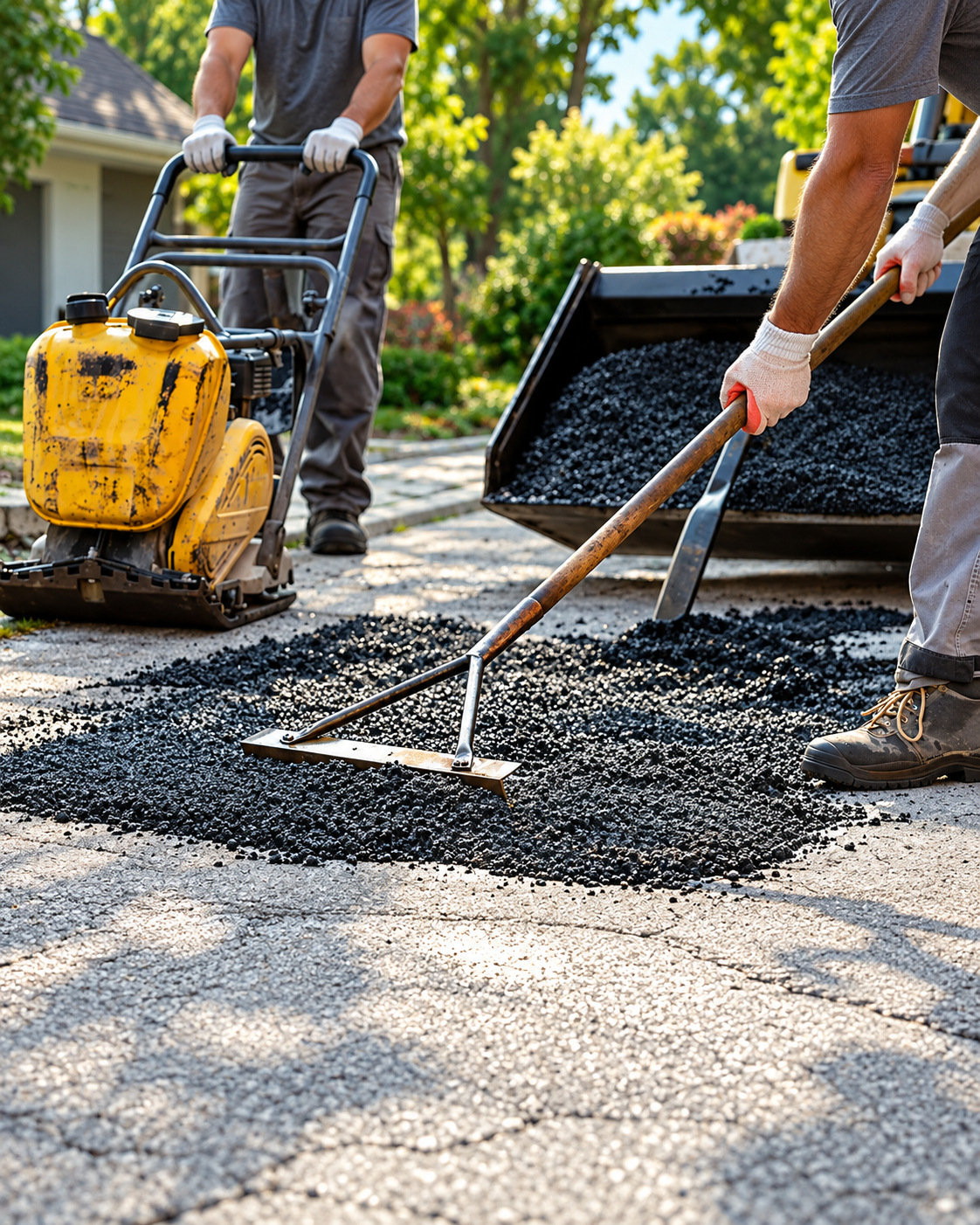
Asphalt repair is the process of restoring damaged pavement by fixing cracks, potholes, sunken areas, rough surfaces, and other signs of deterioration. Over time, asphalt can weaken because of traffic, water penetration, sunlight, temperature changes, and general wear. Repairing damaged sections helps improve the surface condition, restore a smoother driving area, and reduce the chance of small problems developing into larger pavement failures.
Different repair methods may be used depending on the type and severity of the damage. Minor cracks can often be sealed to help prevent water from entering the pavement, while potholes and localized failures may require patching, removal of damaged asphalt, base repair, and installation of new material. More extensive deterioration may call for resurfacing or replacement of larger sections. Proper repair work should address not only the visible damage but also underlying issues such as weak base material or poor drainage.
Professional asphalt repair can help improve pavement safety, appearance, and service life while reducing the need for premature replacement. Timely repairs are especially important for driveways, parking lots, private roads, commercial properties, and high-traffic areas where damaged pavement can affect vehicles and pedestrians. Regular inspections, crack filling, patching, sealcoating, and other maintenance can help keep asphalt surfaces functional, attractive, and protected for years.
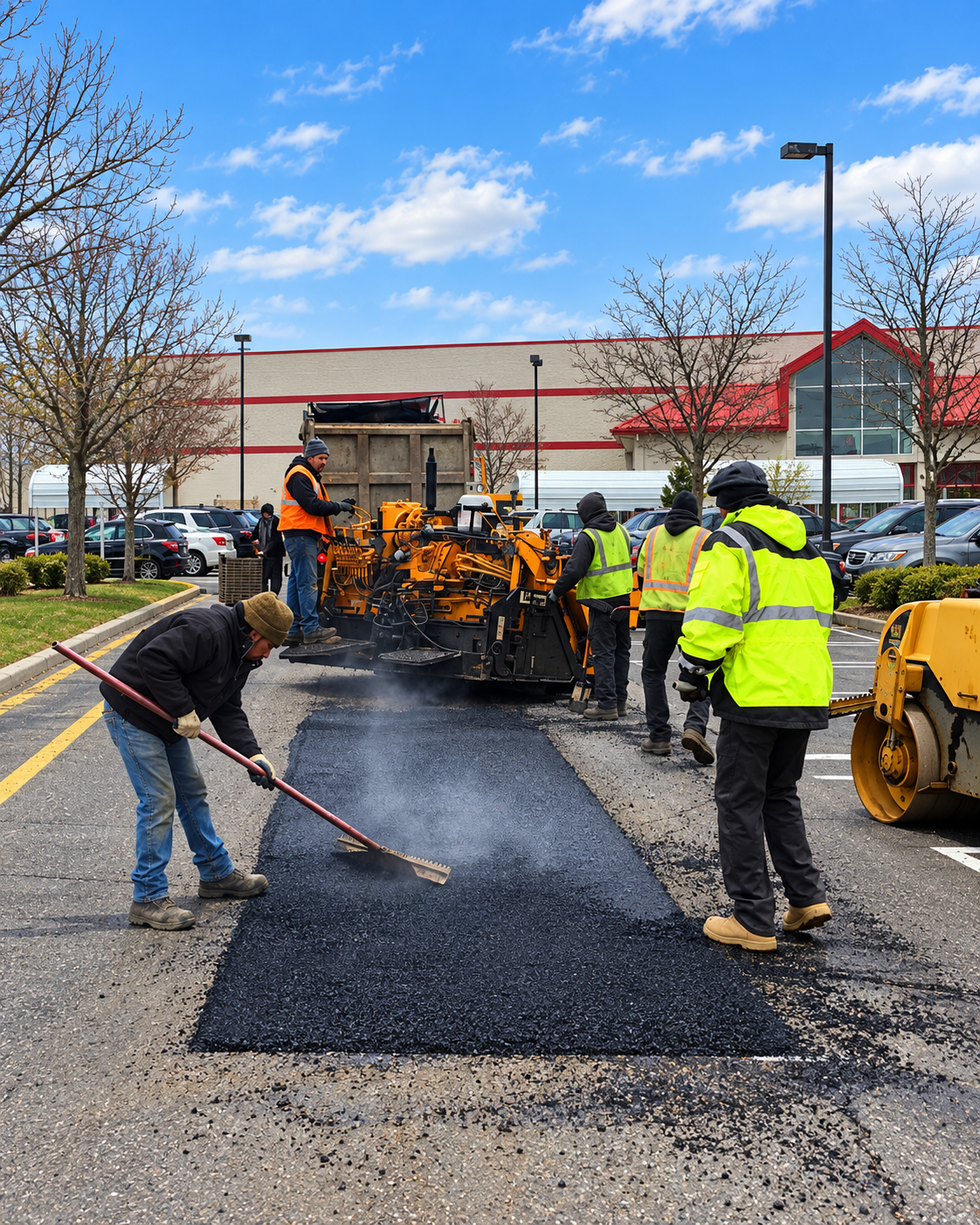
When Is Asphalt Repair Necessary?
Asphalt repair is necessary when pavement begins showing visible signs of damage that can worsen if left untreated. Common problems include cracks, potholes, loose asphalt, uneven areas, depressions, edge deterioration, and surface wear. These issues can develop from regular traffic, water penetration, seasonal temperature changes, heavy loads, or aging pavement. Addressing damage early can help prevent it from spreading and reduce the need for more extensive repairs later.
Repairs are especially important when damaged asphalt begins affecting safety, drainage, or vehicle movement. Potholes and sunken areas can create rough driving conditions, while cracks allow water to enter beneath the surface and weaken the pavement base. Standing water, rutting, and crumbling edges may also indicate that the asphalt is losing structural strength. In these situations, patching, crack sealing, or localized replacement can help restore the surface and improve overall pavement performance.
Asphalt repair may also be required before other maintenance services such as sealcoating, resurfacing, or striping are completed. Fixing damaged areas first helps create a more stable and even surface for future treatments. Regular inspections of driveways, parking lots, private roads, and commercial pavement can make it easier to identify problems early and maintain a smoother, safer, and more attractive asphalt surface over time.
What Is Required For Asphalt Repair?
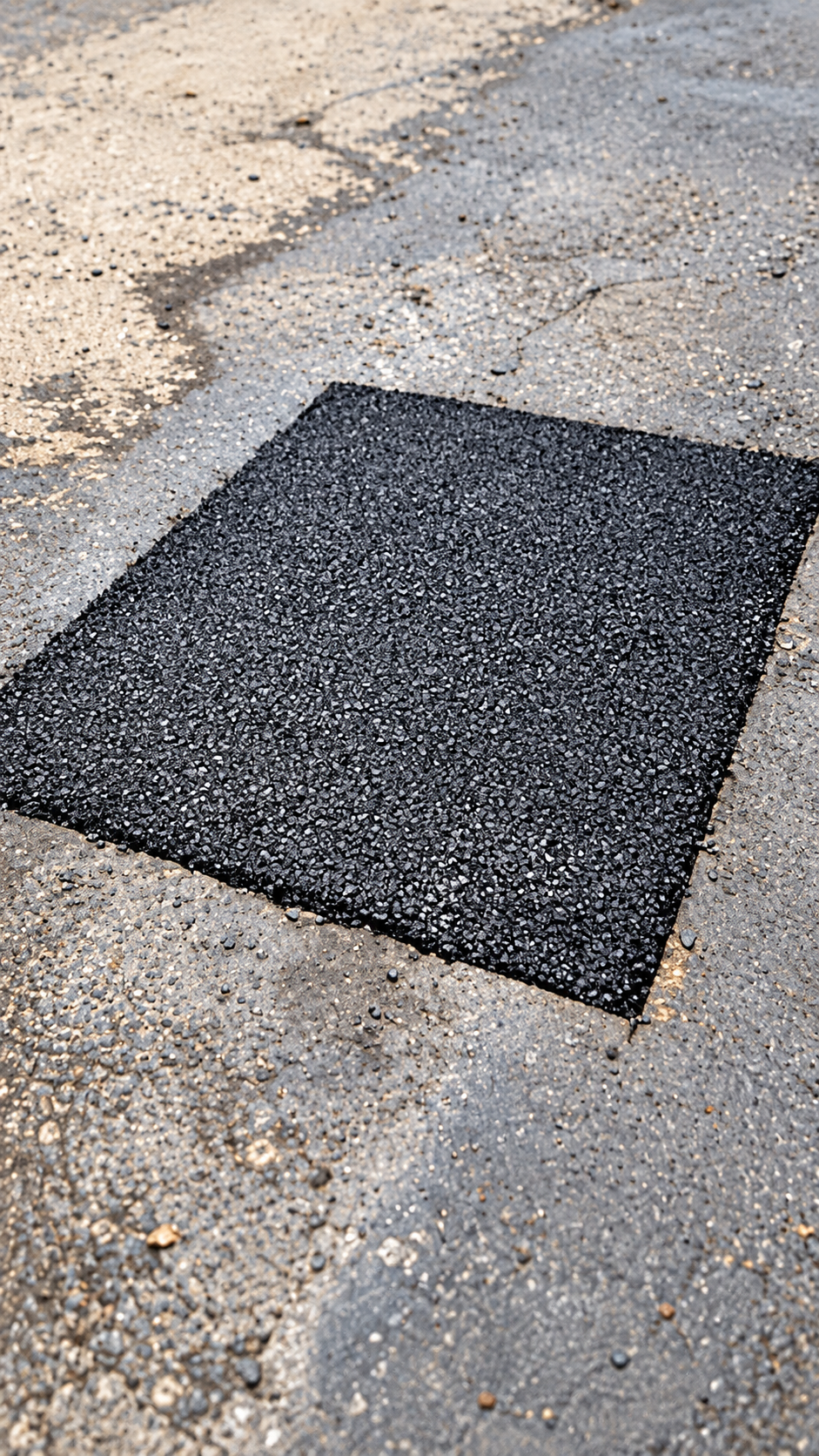
Effective asphalt repair requires a careful inspection of the damaged pavement to determine the type, depth, and cause of the problem. Cracks, potholes, depressions, crumbling edges, drainage problems, and weak areas should be evaluated before repairs begin. This helps determine whether the surface needs crack filling, patching, base repair, resurfacing, or removal and replacement of damaged asphalt.
Proper surface preparation and quality repair materials are also essential. Loose asphalt, dirt, water, and debris should be removed so the new material can bond correctly. For potholes or deeper damage, the affected area may need to be cut out and the underlying base repaired before fresh asphalt is installed. Suitable asphalt mix, correct temperature, proper thickness, and strong compaction all help create a durable and even repair.
Professional asphalt repair also requires the right tools, equipment, drainage control, and finishing techniques. Rollers, compactors, saws, patching equipment, and other paving tools may be used depending on the size of the repair. After the work is completed, the repaired area should be checked for proper level, drainage, and smooth transitions with the surrounding pavement. Regular maintenance, including crack sealing, sealcoating, and timely patching, can help protect repaired asphalt and reduce future damage.
Our Reviews
What Our Customers Have to Say About Us!
Great experience from start to finish. The team completed our asphalt paving project neatly and professionally, and the new surface looks smooth and durable.

We needed parking lot repair and striping, and the work was completed efficiently. The lot looks cleaner, safer, and much more organized now.
Very satisfied with the sealcoating and pavement maintenance service. The asphalt looks refreshed, and the entire process was handled professionally.
The Process
3 Step Process For Your Asphalt Repair Needs

Contact Us
Start by completing the 'Get a Free Quote' form on our website to share your Asphalt Repair needs with us.

Schedule Your Estimate
Next, we'll arrange a property visit at a time that works for you to provide an in-person estimate for your Asphalt Repair needs.

Get The Job Done
After you approve our estimate, we'll schedule a date to complete the job. Our team will work hard to exceed your expectations!
Request A Free Asphalt Repair Quote

BUSINESS
SERVICES
SERVICE AREAS
OPERATING HOURS
Sun: Closed
Mon: 7:00am - 7:00pm
Tue: 7:00am - 7:00pm
Wed: 7:00am - 7:00pm
Thu: 7:00am - 7:00pm
Fri: 7:00am - 7:00pm
Sat: 7:00am - 7:00pm